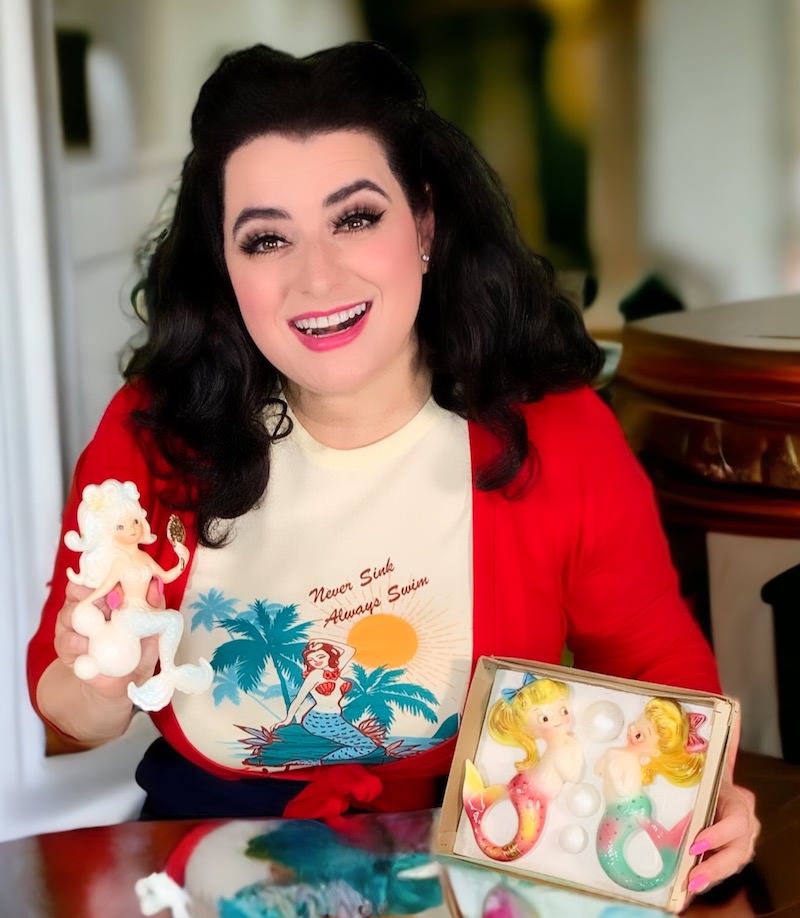
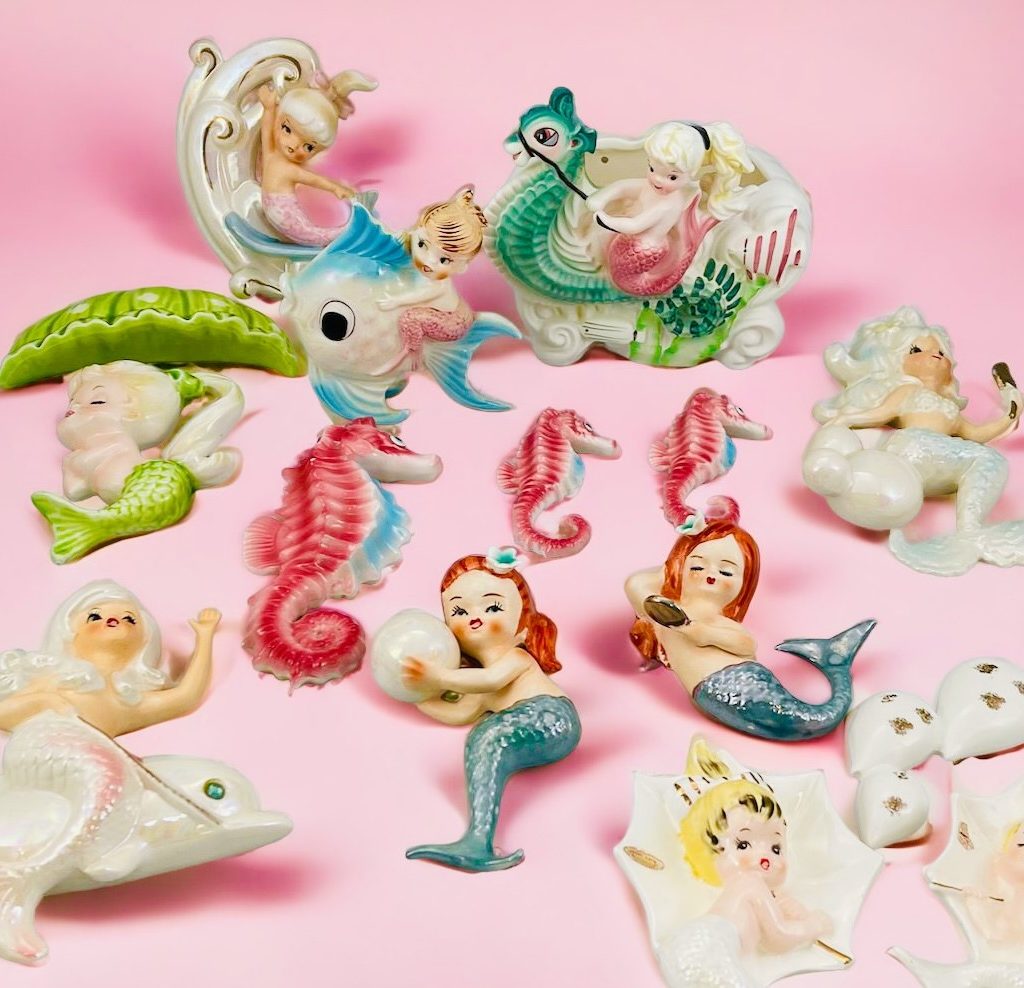
Join me to learn the best tips for collecting vintage mermaids and fish and even what to look out for from top manufacturers like Norcrest, Lefton, Bradley, and Freeman McFarlin and the history behind them! Let’s dive into the magical depths of yesteryear and discover the irresistible appeal of these delightful figurines.
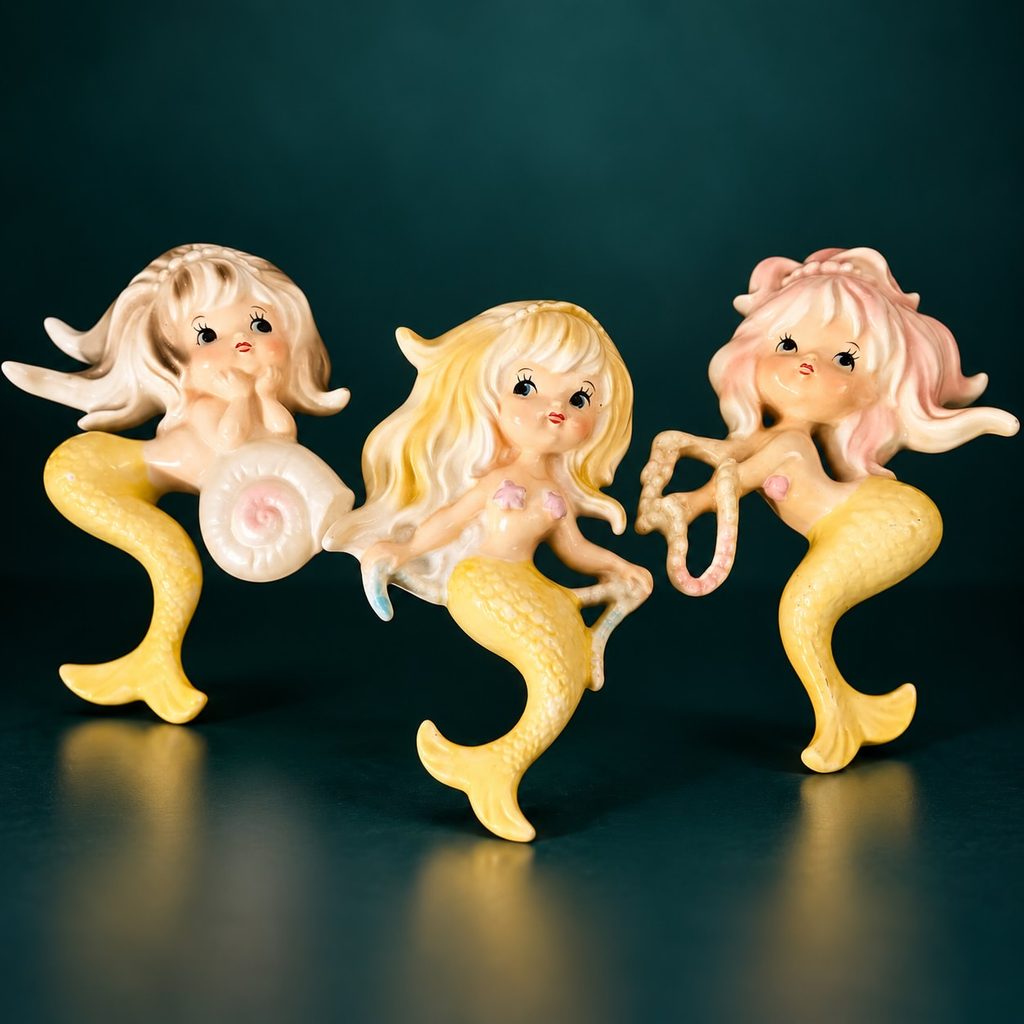
Set of 3 Rare Lefton Mermaid Wall Plaques with Yellow Tailfins
A Brief History of Vintage Mermaids and their Makers:
The 1940s-1950s marked the golden age for the production of vintage mermaids and fish. During this time, countless families across the US adorned their bathrooms and vanities with these enchanting wall plaques, available at local five-and-dime stores and souvenir shops.
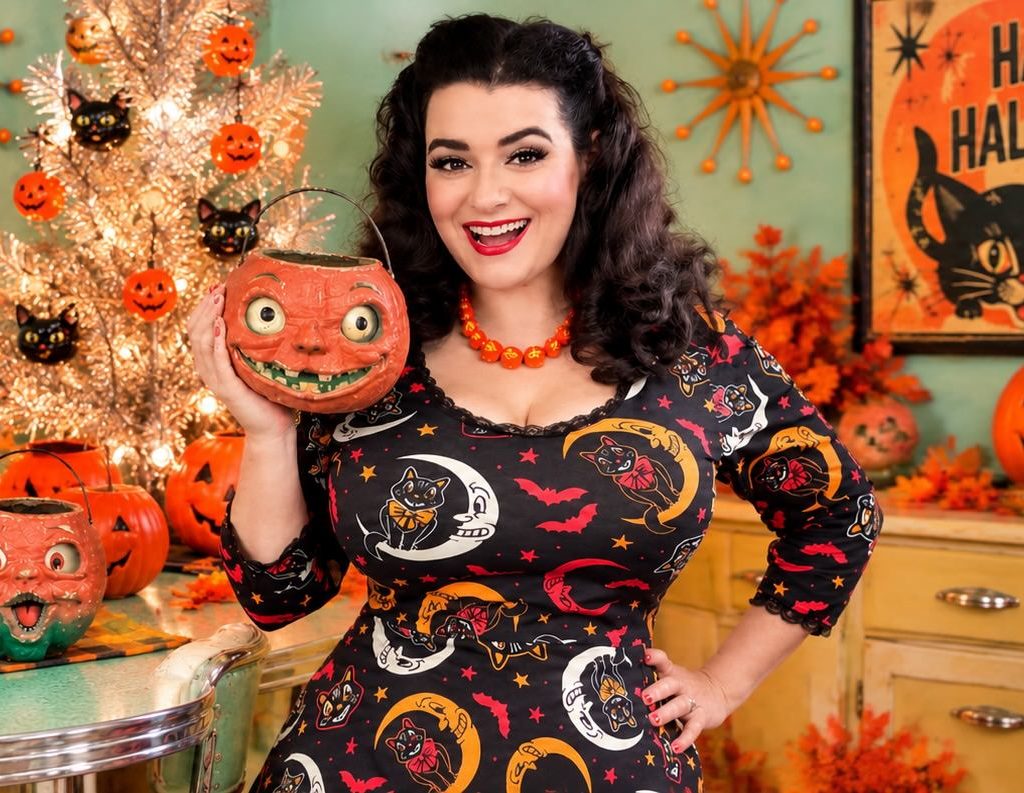
Halloween is right around the corner! While modern Halloween aisles are packed with plastic and polyester, true vintage Halloween decorations have become some of the hottest, most sought-after holiday collectibles on the market.
If you’ve been dreaming of starting your own collection of vintage Halloween masks, papier-mâché lanterns, celluloid toys, or tin noisemakers but aren’t sure where to start, you’re in the right place. Here is everything you need to know to hunt, identify, and value vintage Halloween treasures.
What Makes Vintage Halloween So Special (and Scarce)?
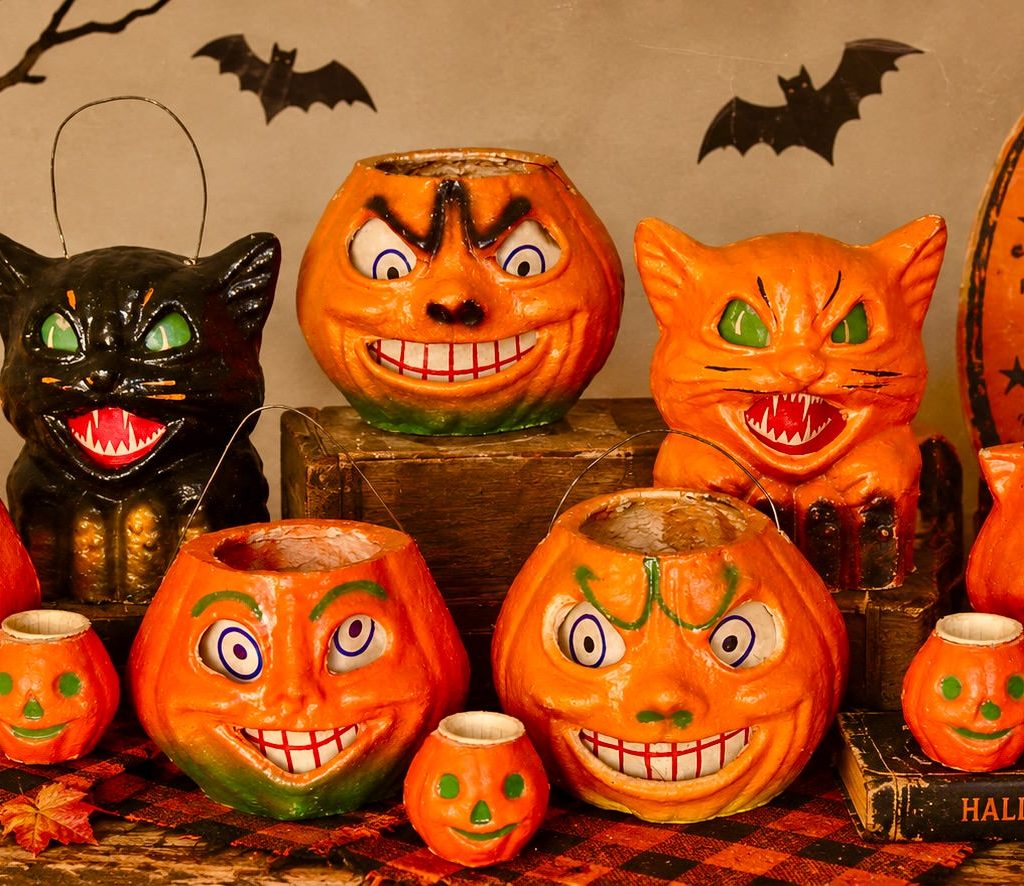
vintage halloween paper mache jack o’lanterns
Unlike vintage Christmas decorations—which were carefully packed into attic boxes and passed down through generations—Halloween decor was created to be disposable.
From roughly 1915 through the 1950s, items like papier-mâché lanterns, crepe paper party favors, and die-cut cardboard decorations were manufactured primarily for one-night adult dinner parties and community gatherings. Once the party was over, most of these fragile paper and cardboard items were thrown away.
Because so few survived decades of damp basements and toss-outs, finding undamaged pieces today is rare—making the hunt all the more thrilling!
Top Categories to Collect
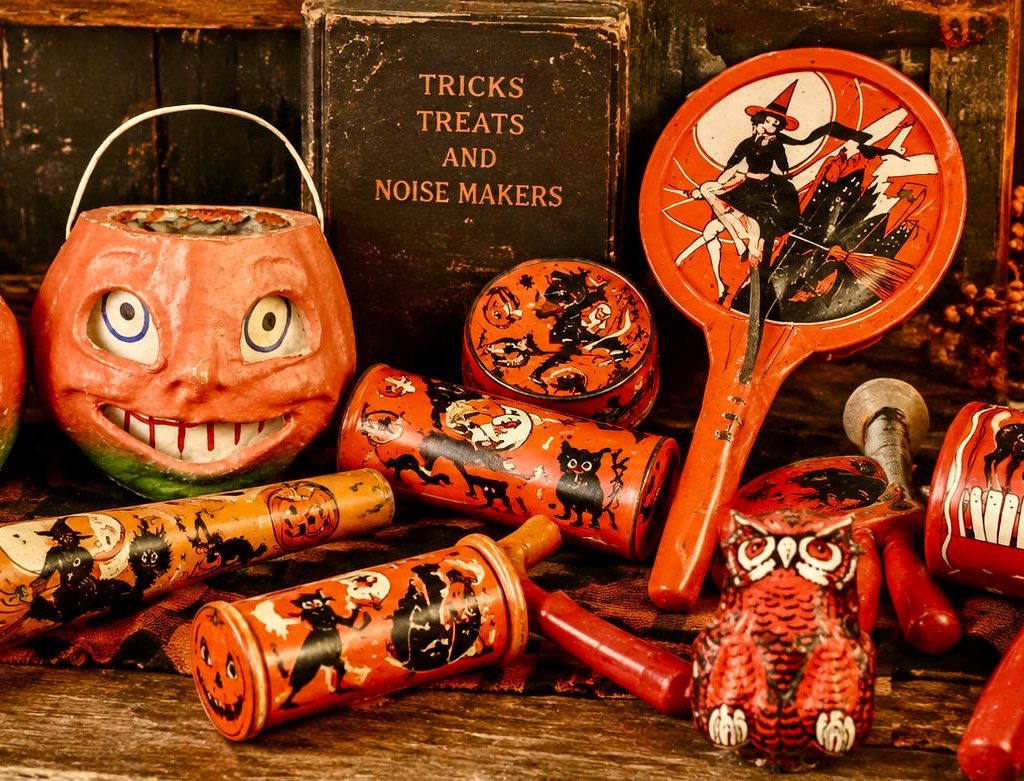
Vintage Halloween Noisemakers
Papier-Mâché & Pulp Lanterns: Produced primarily in Germany (1920s–1930s) and later by American makers like Beistle and Empire (1940s–1950s), these iconic pumpkin, skull, and devil heads featured thin translucent paper inserts (inserts) that glowed when lit.
Tin Litho Noisemakers: Rattlers, clackers, spinning wheels, and tambourines made by U.S. manufacturers like Chein, US Metal Toy, and Kirchhof feature vibrant, quirky graphics.
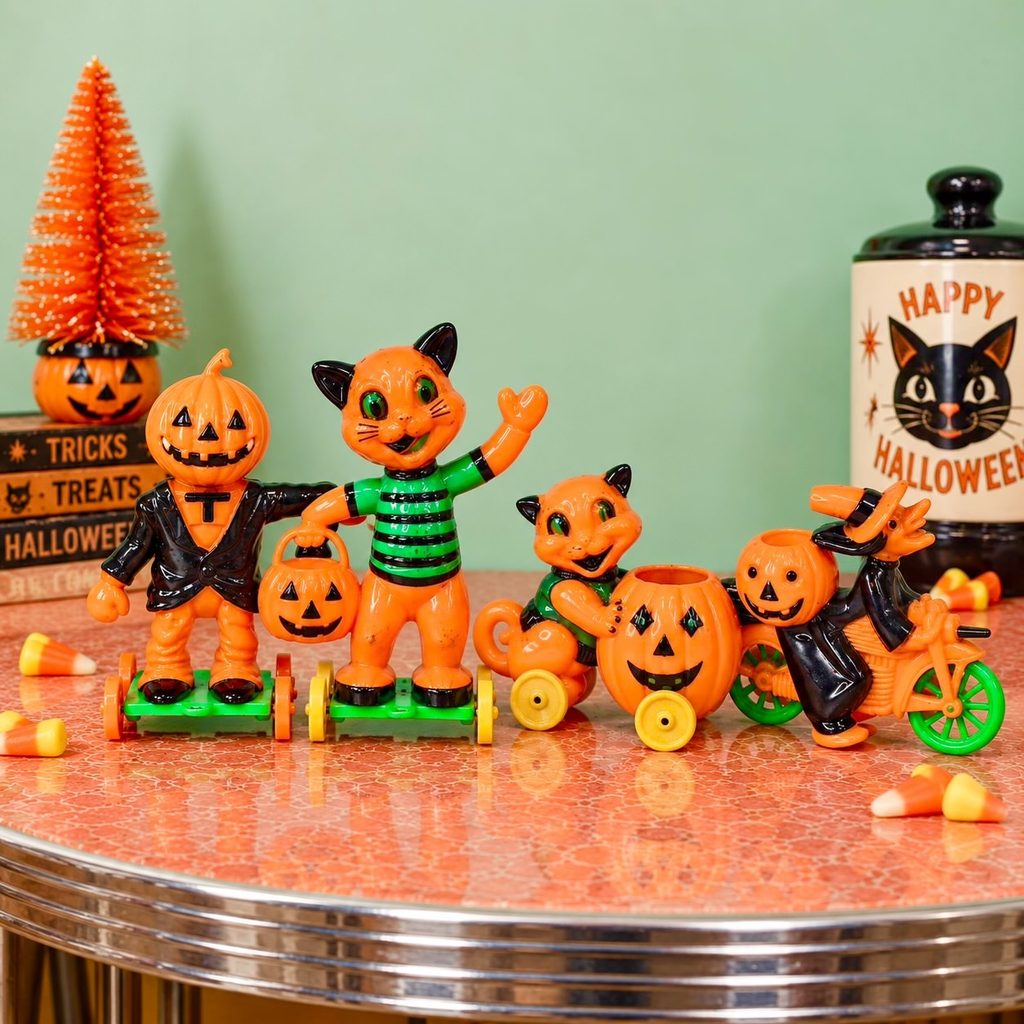
Candy Containers: Made from papier-mâché, hard plastic, or celluloid, these small figures held tiny treats for party guests.
Die-Cut Cutouts: Cardboard wall hangings featuring black cats, witches, and jack-o’-lanterns (especially early pieces by Beistle and Dennison).
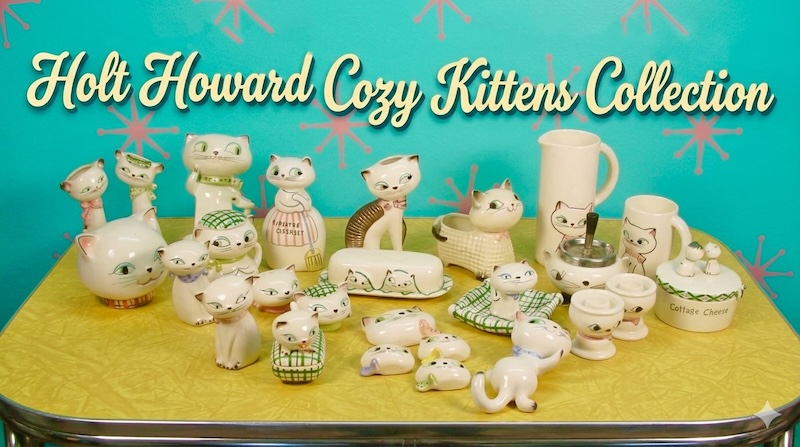
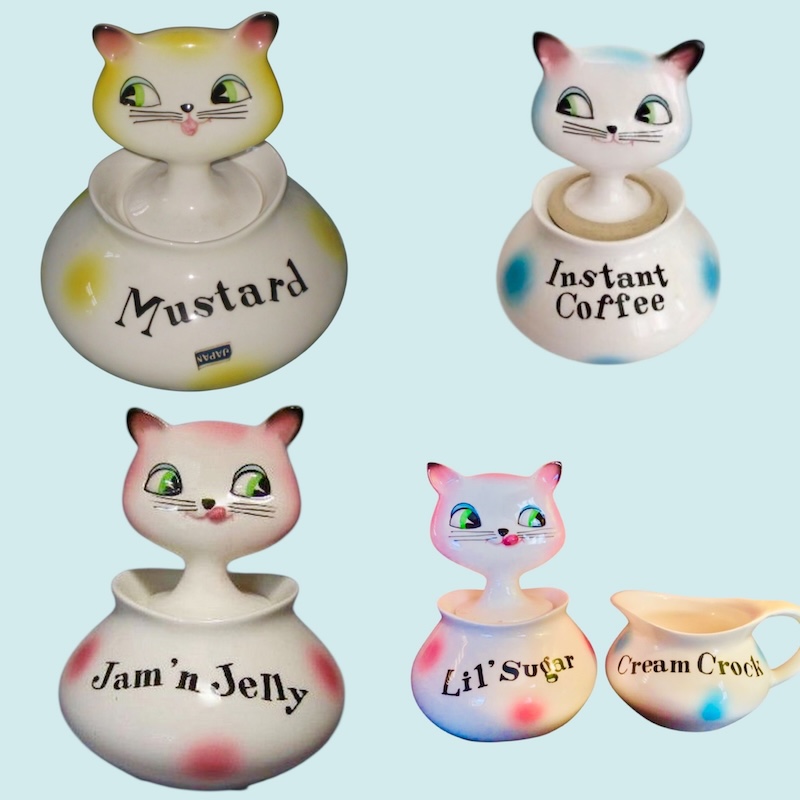
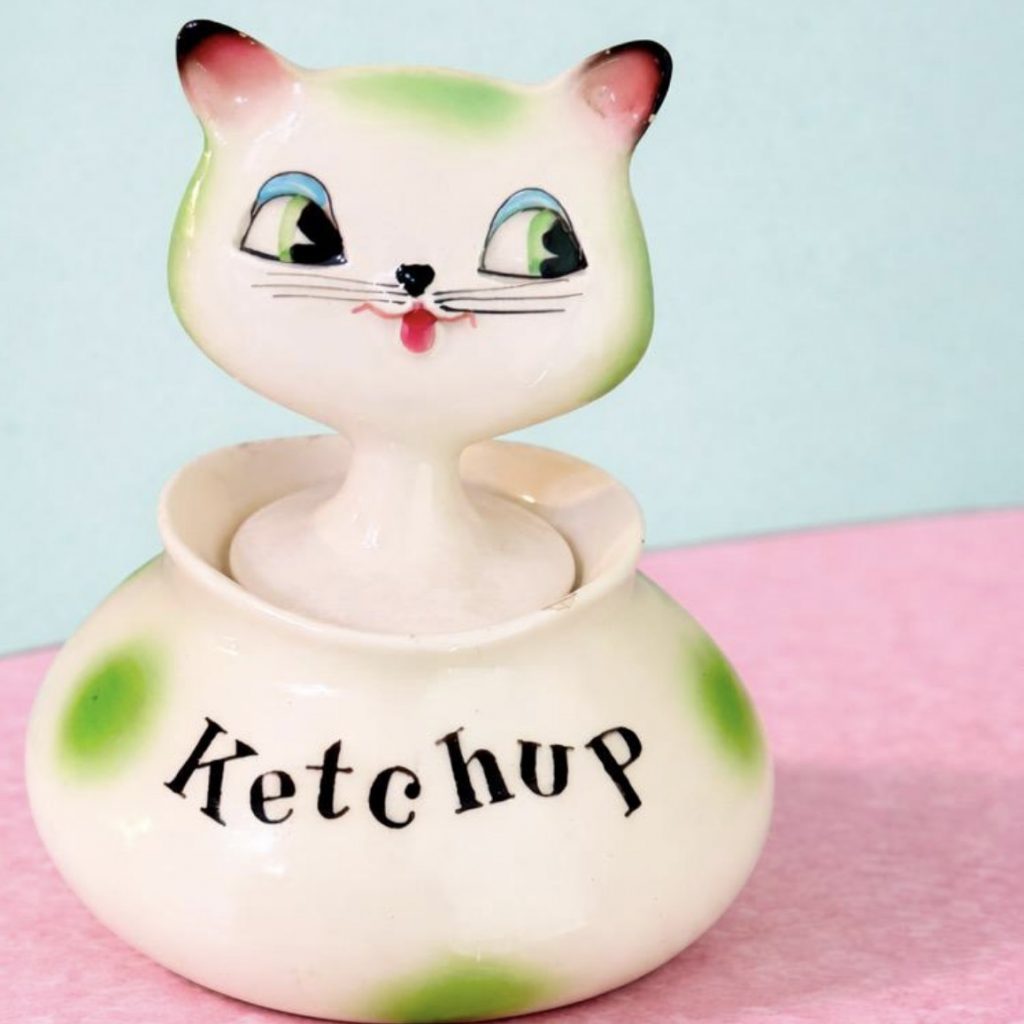
If you adore mid-century charm, playful kitchenware, and just a dash of feline mischief, the Holt Howard Cozy Kittens are about to steal your heart. In fact, these whimsical pieces have become some of the most beloved vintage collectibles from the 1950s.
The Holt Howard Cozy Kittens, also known as Cozy Kitchen Kitties, are among the most beloved vintage cat collectibles from the 1950s. Introduced in 1958 by Holt-Howard, these wide-eyed kittens transformed everyday kitchen items into whimsical works of art.
And today?
They’re highly collectible, surprisingly diverse… and in some cases, quite valuable.
What Are Holt Howard Cozy Kittens?
Holt Howard Cozy Kittens are a line of ceramic kitchen collectibles made in Japan during the late 1950s.
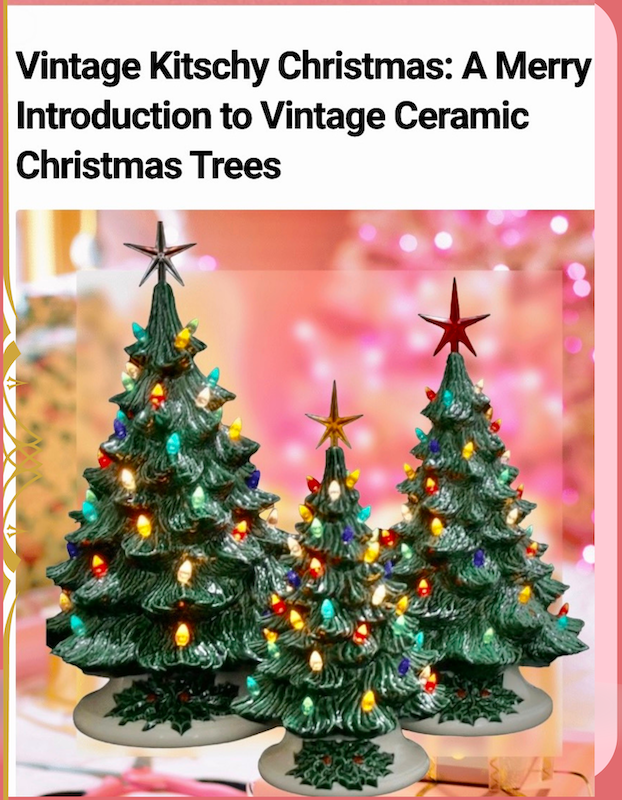
Immerse yourself in the timeless allure of vintage Christmas decor with our recently launched eBook, “Vintage Kitschy Christmas: A Merry Introduction to Vintage Ceramic Christmas Trees“. It’s more than just a collection of words; it’s your passport to a nostalgic trip, a warm invitation to enjoy the glow of vintage Christmases, even amidst the summer heat!
Our eBook offers an engaging exploration into the world of ceramic Christmas trees. Dive into their fascinating history, discover their origins, learn about various types, identify leading manufacturers like Atlantic Mold, Holland Mold, Doc Holiday, and Nowells, and absorb a comprehensive guide on how to evaluate their worth. It’s a treasure trove of knowledge and practical advice, perfect for vintage decor enthusiasts.
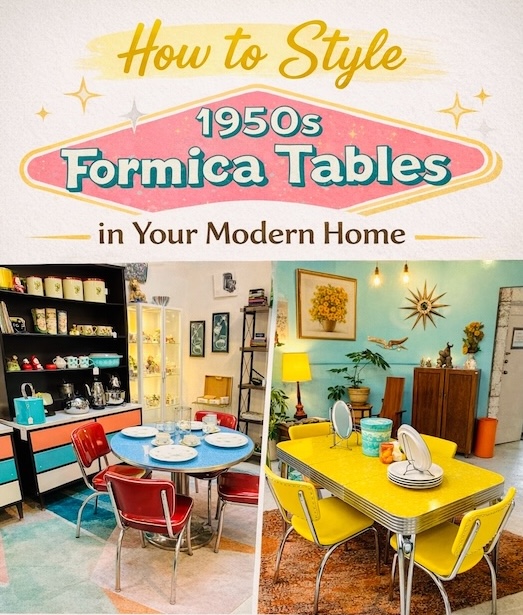
If you’ve ever run your hand across a cool, glossy Formica tabletop and felt that little zing of nostalgia , you know.
A true 1950s Formica table and chair set isn’t just furniture. It’s root beer floats after school. It’s Saturday morning pancakes. It’s chrome sparkle and lipstick-red vinyl under a hanging globe light.
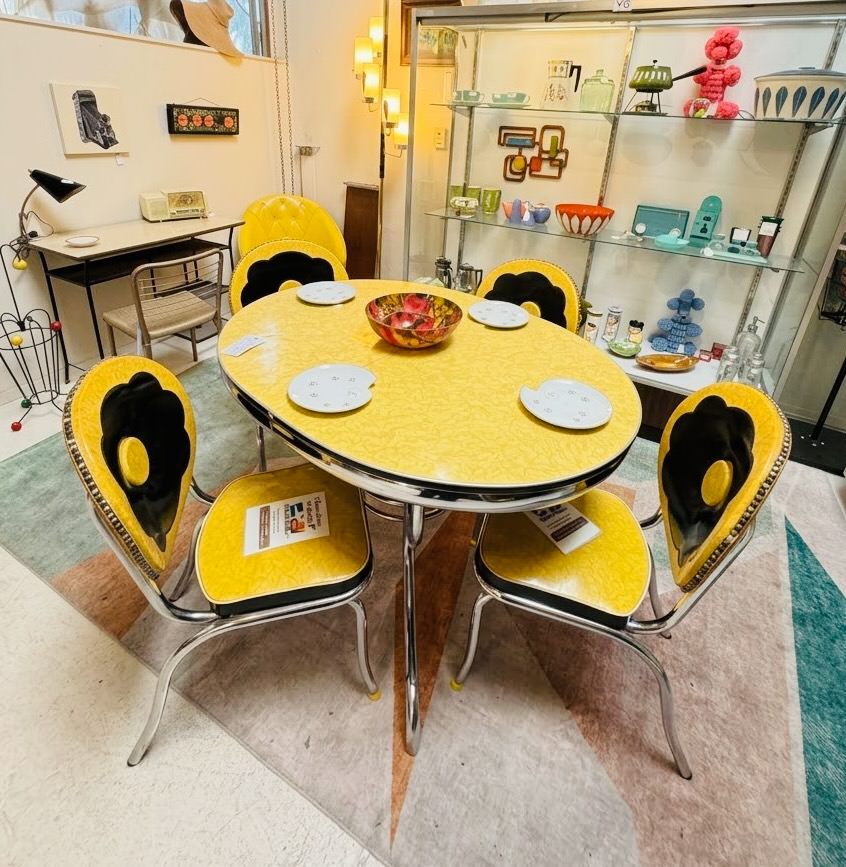
Yellow Cracked-Ice Formica and Chrome Table with Yellow Daisy Chairs – All Original
And yes… they are absolutely perfect for today’s homes.
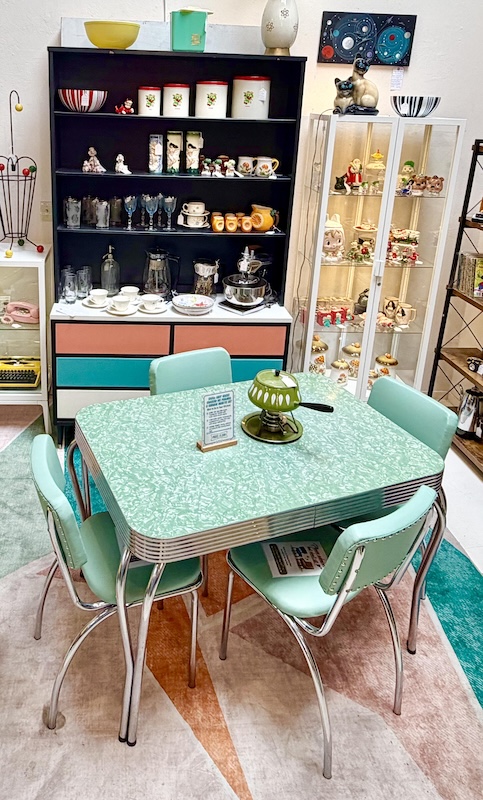
1950s Mint Green Formica and Chrome Dinette Set
At Crazy4Me, we don’t just sell mid-century pieces; moreover, we live with them, style them, and stage them the way they were meant to be loved. Specifically, let’s talk about why these atomic beauties still work today. Furthermore, I’ll show you how to incorporate a vintage Formica dining set into your modern life. However, the goal is to do this thoughtfully so that your space feels authentic without it looking like a theme park diner.
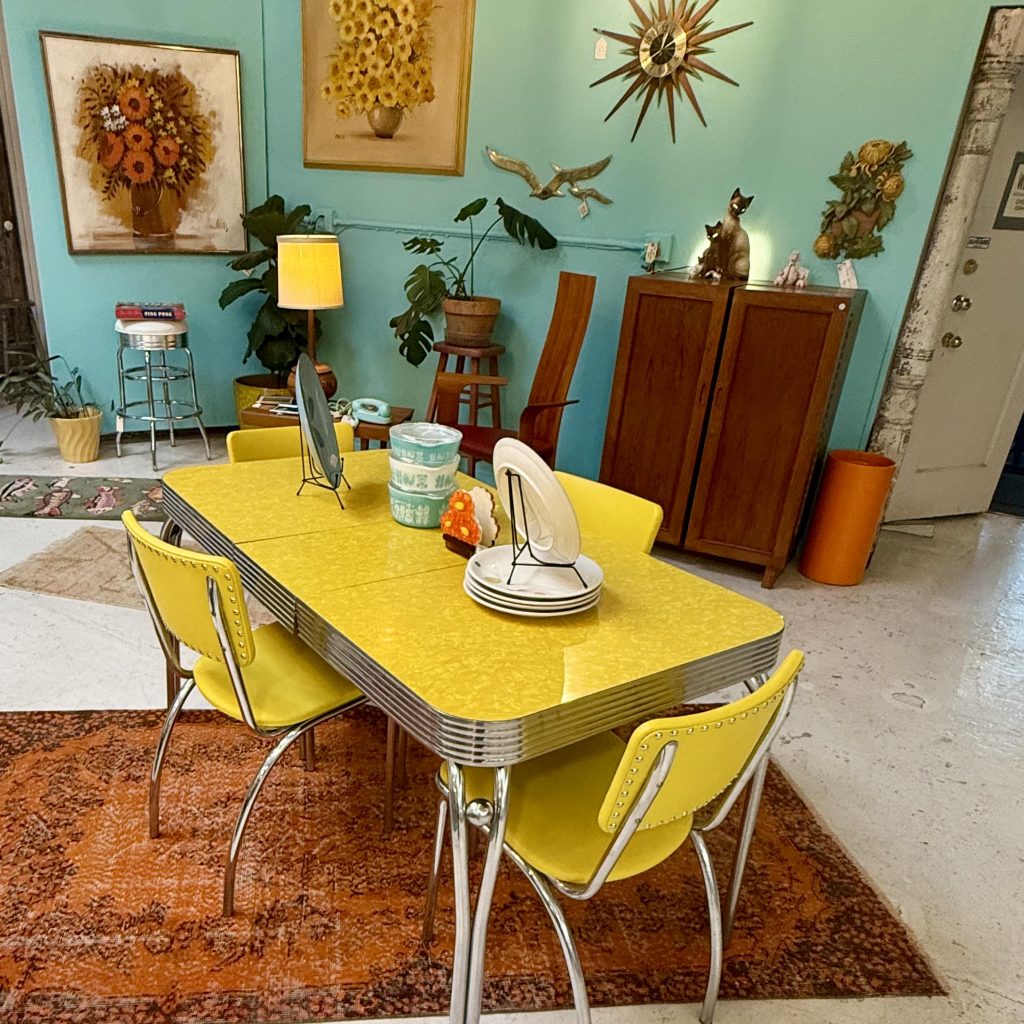
1950s Yellow Formica Table and Chairs
Why 1950s Formica Tables Still Win
There’s a reason mid-century Formica tables have such staying power:
Indestructible: Durable laminate tops that wipe clean in seconds.
The Glow: Chrome edging that catches the light just right.
Versatile Fit: Compact drop-leaf and oval shapes perfect for smaller modern spaces.
They were designed for real living. Not precious. Not fussy. Just functional and fabulous. Today, with so many homes leaning neutral, a vintage Formica set becomes the joyful pop that makes a room feel alive.
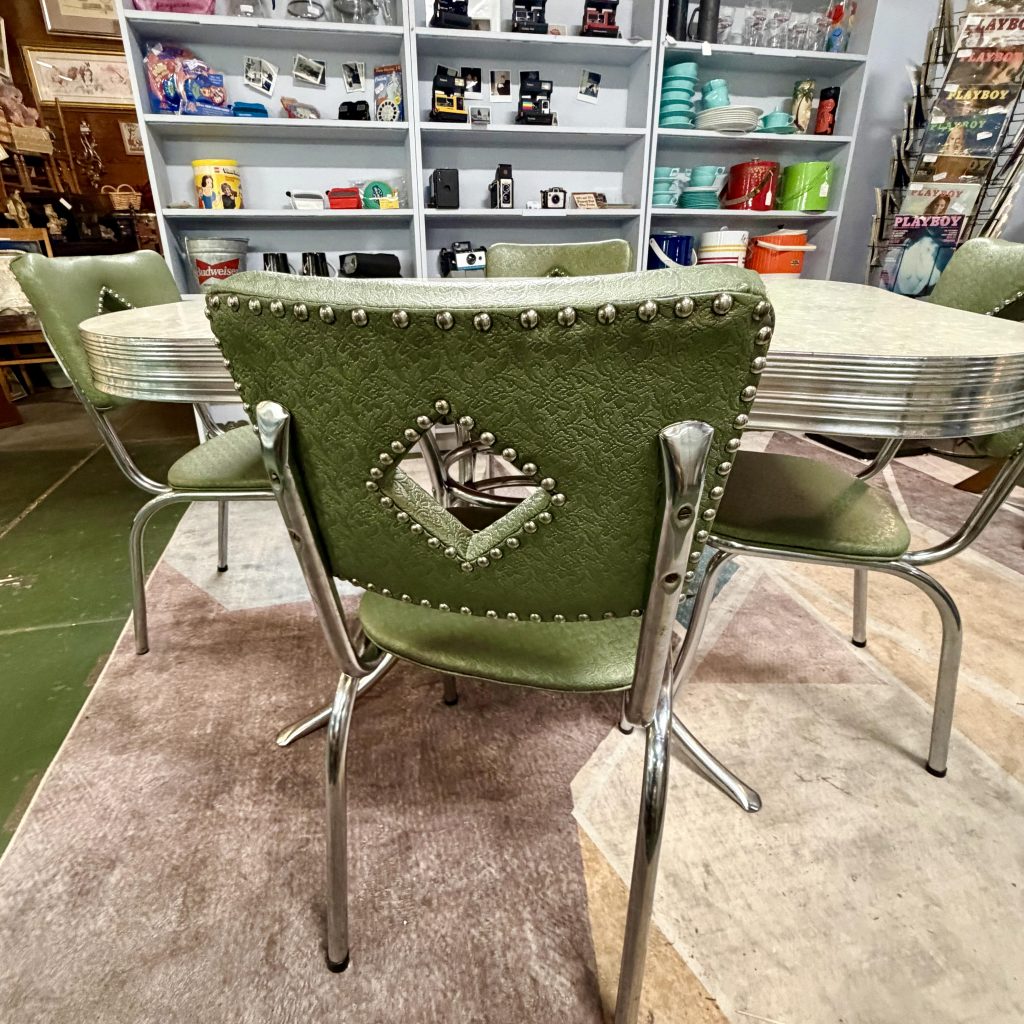
A 1950s chrome dinette set with a white cracked-ice Formica tabletop, ribbed aluminum edging, and four matching avocado green vinyl chairs with diamond-cutout backs.
6 Ways to Style Your Formica Set Today
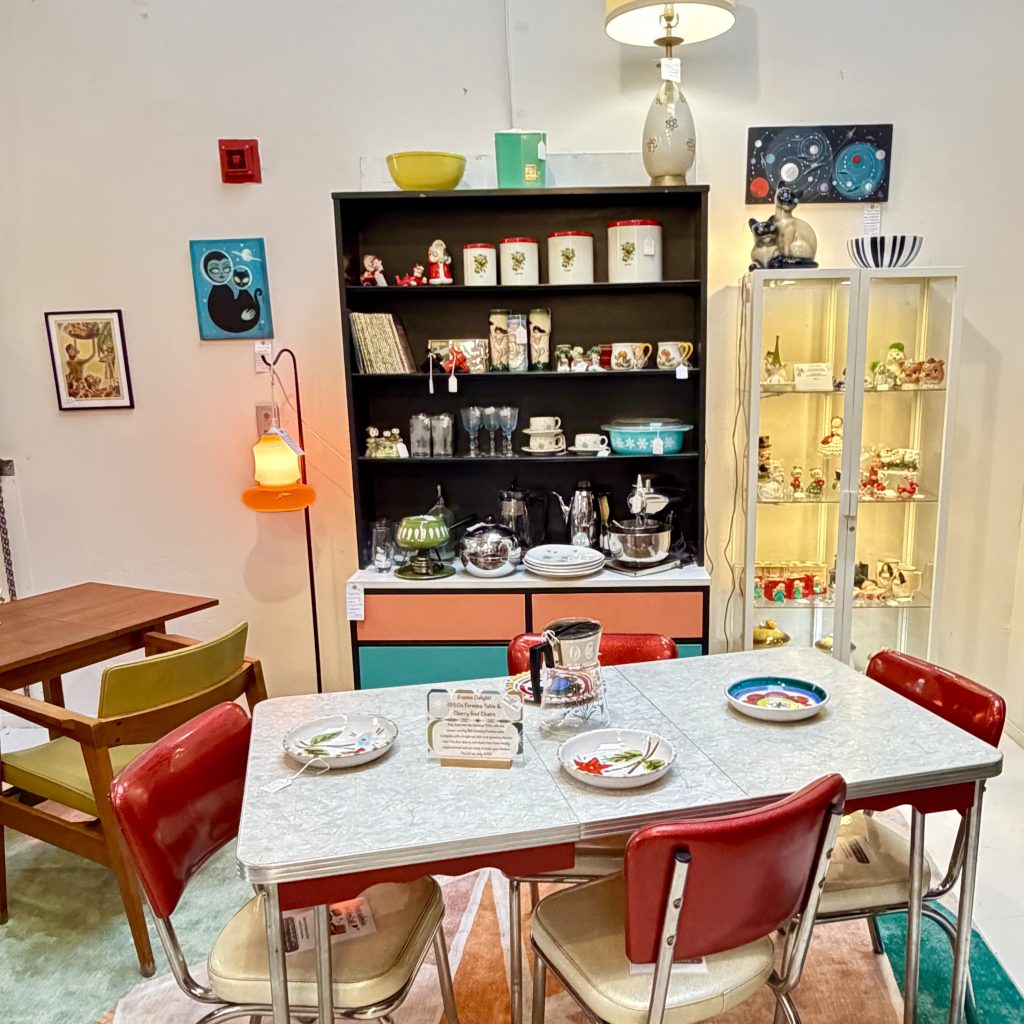
1950s Formica Table with Chrome, Cherry Red Skirting and Chairs
Breakfast Nook with a Wink: Place a cherry red oval or drop-leaf table in a sunny corner. Add a round woven placemat and mismatched vintage saucers for instant diner vibes.
Modern-meets-Retro Dining: Mix a vintage table with one or two contemporary chairs (think molded wood or clear acrylic) to keep the look fresh and lived-in.
Home Office with Personality: Use a compact Formica table as a desk. The wipeable surface is perfect for craft projects or laptop work. Add a retro lamp and a slim mid-century credenza for storage.
Kid-Friendly Craft Station: The laminate top takes markers and paste like a champ! Cover the table with a removable vinyl runner when projects get wild.
Alfresco Pop-Up: For parties, use a Formica set outside (under a covered porch). Add string lights and vintage Pyrex for a nostalgic picnic vibe.
Layered Styling: Anchor the set with a geometric or starburst rug, hang an atomic clock, and place small ceramic figures (pixies, mermaids, or Santa mugs!) on open shelving.
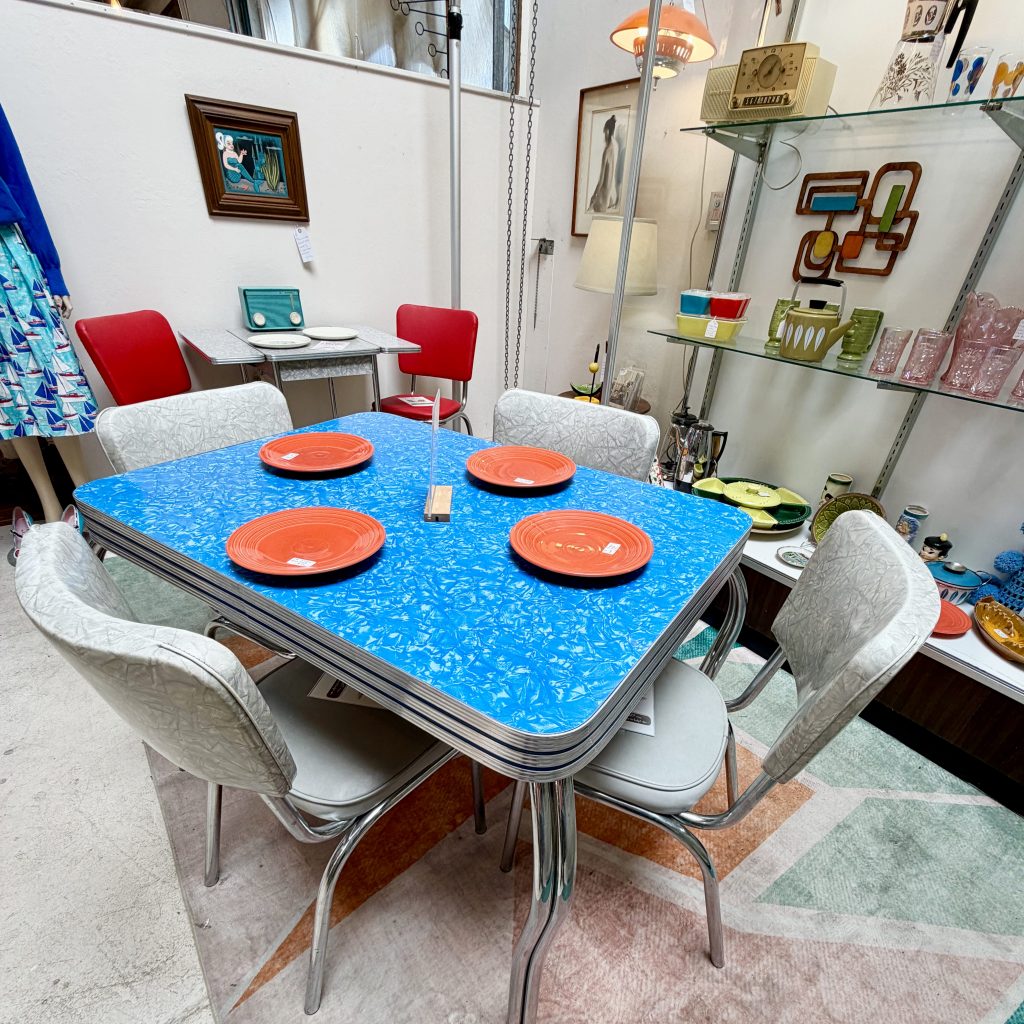
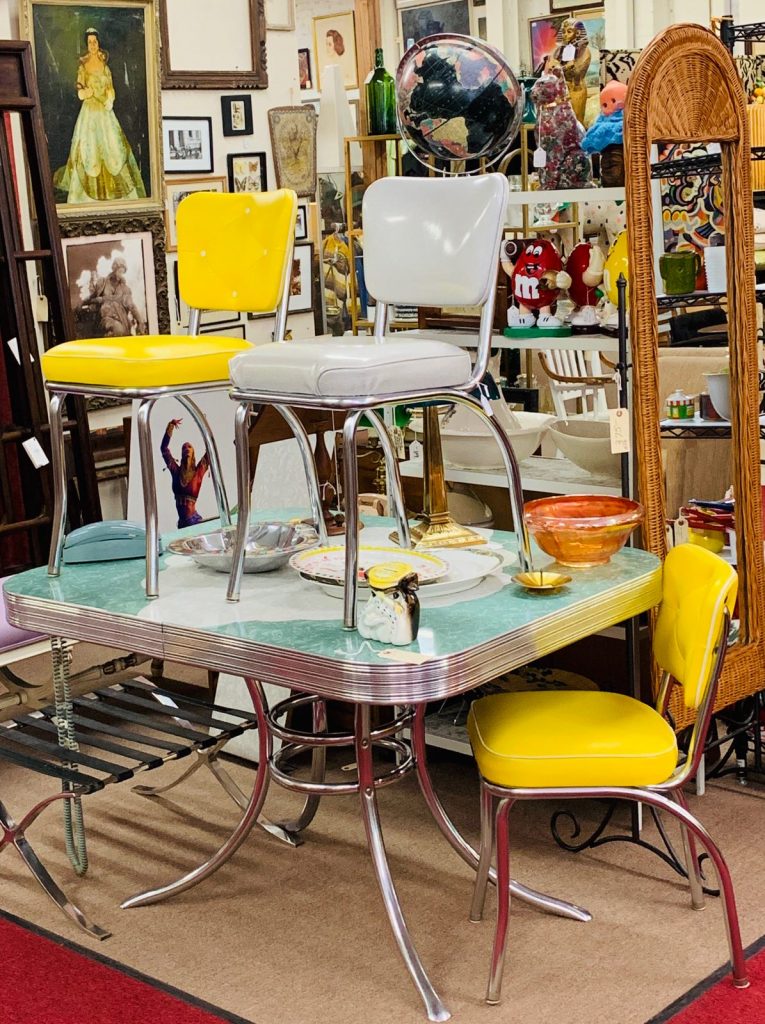
A vintage 1950s blue ‘cracked ice’ Formica kitchen table with triple-ribbed chrome edging and four matching vinyl upholstered chairs with chrome legs, displayed in an antique booth at Antique Society in Sebastopol
Color & Accessory Pairings
Table Color
Best Pairings
Turquoise
Coral accents, brass lamps, and pale wood.
Red Vinyl
Neutral walls and a teal rug for punch without chaos.
Pastels
Mint, pink, and aqua look sensational balanced with chrome.
Are you struggling to make consistent sales at your antique mall booth? Whether you’re a seasoned dealer or just getting started, there’s always room to improve your booth’s appeal and performance. As an avid antique mall shopper and dealer at three malls (and someone who knows what gets buyers excited), I’m sharing 10 smart, practical tips that can transform your space into a top-selling destination.
1. Specialize in What You Know
I live in an area rich with antique malls, and trust me—I’ve seen it all. From beautifully curated booths that feel like vintage wonderlands to chaotic spaces where I don’t even want to step inside. The difference often comes down to presentation, pricing, and how easy it is to shop your booth. Here’s what works—and what doesn’t.
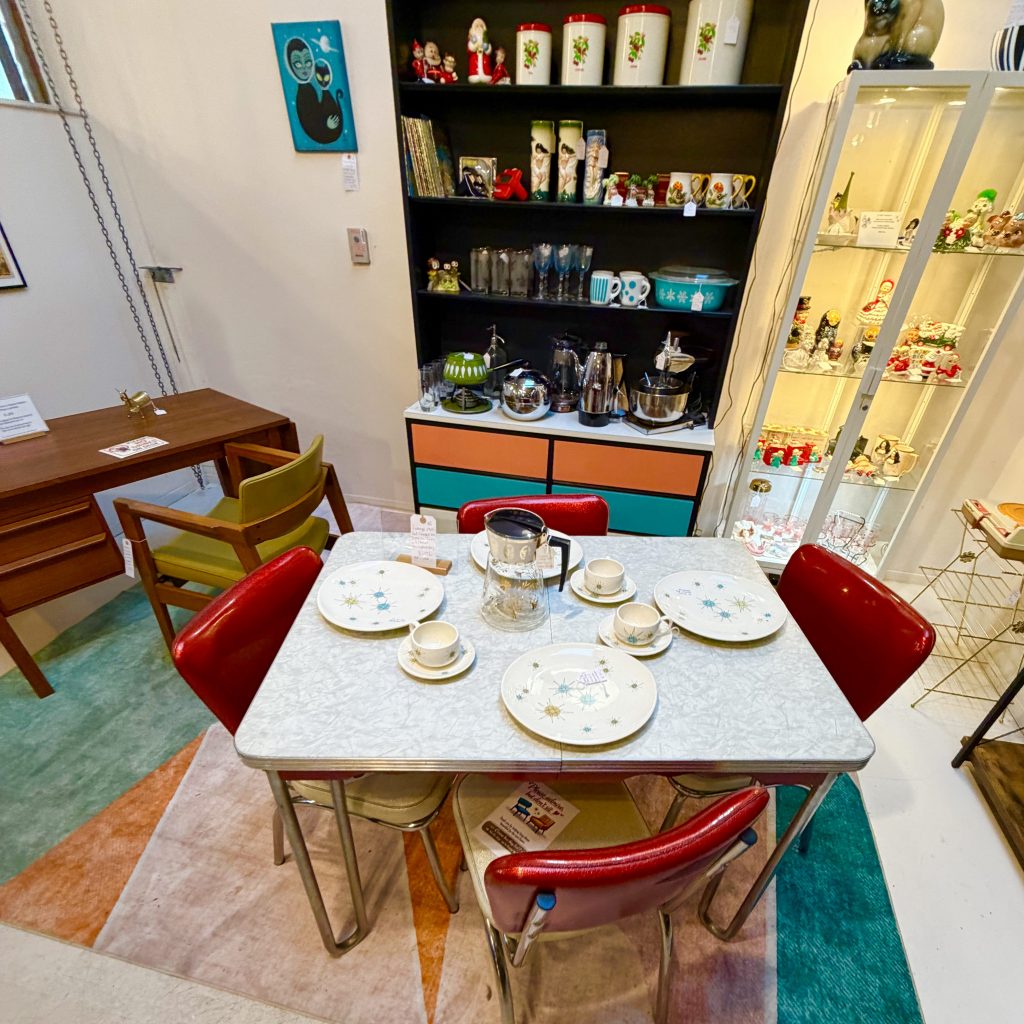
Mid-Century Modern Atomic Room
Shoppers want to buy from an expert. When your booth reflects a clear theme or niche—vintage kitchenware, Mid-Century Modern glass and decor, vintage cameras, or retro Christmas—you build trust. Be present on busy days if possible, and keep display cases open while you’re there.
Just be mindful not to hover over customers in your booth space—most shoppers feel uncomfortable when a dealer is too close, and they’re likely to leave quickly without browsing. Instead, stay nearby so you’re available to offer assistance or answer questions if needed. A relaxed but attentive presence goes a long way. Share the backstory of your items; it makes the experience more personal and boosts buyer confidence.
2. Rotate Your Merchandise Often
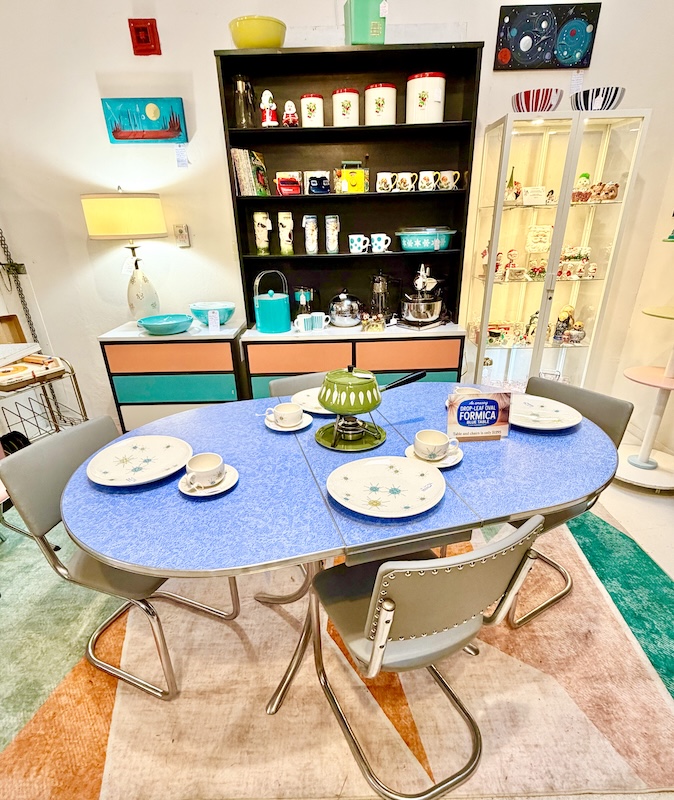
Stuff San Francisco Mid-Century Modern 1950s Chrome Kitchen Table
Few things discourage repeat shoppers more than a booth that never changes. Even adding just a handful of new items or rearranging your existing inventory can breathe new life into your space.
Regularly moving items around, re-styling sections, and creating themed displays can make older merchandise feel fresh again. You’d be surprised how often a customer notices something they previously overlooked—just because it’s been staged differently. A dynamic, ever-evolving booth invites customers to return and discover something new every time.